

Specifications of our shade nets in Kenya
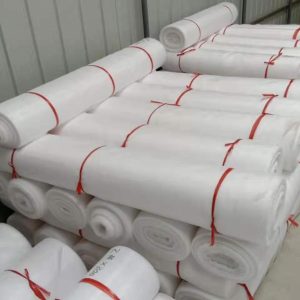
Our shade nets come in different specifications, primarily defined by their shading percentage and dimensions:
- Shading percentage: 55%, 75%, 90%
- Width: 4m
- Length: 50m
- Lifespan: Last for 5 to 8 years
- Material: High-density polyethylene (HDPE)
- Color: Green and black
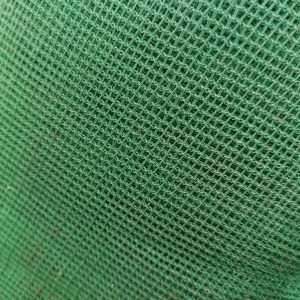 Shade nets in Kenya
Shade net price in Kenya
| Shade % | Dimensions (m) | Price (KES) |
|---|---|---|
| 55% | 4 x 50 | 16,000 |
| 75% | 4 x 50 | 22,000 |
| 90% | 4 x 50 | 44,000 |
What are shade nets and why do farmers use them?
Shade nets in Kenya are UV-stabilized coverings made from HDPE material. They create a controlled environment for crops by:
- Reducing water loss by up to 50%
- Lowering temperatures under the net by 5 to 10°C
- Protecting crops from harsh UV rays, wind, birds, and even some pests
This makes them ideal for farmers in hot regions like Machakos, Kitengela, and parts of Rift Valley where heat stress is common.
Shade net price per meter
For smaller projects, Hortitechno offers shade nets per square meter:
- 55% shade → KES 80
- 75% shade → KES 110
- 90% shade → KES 220
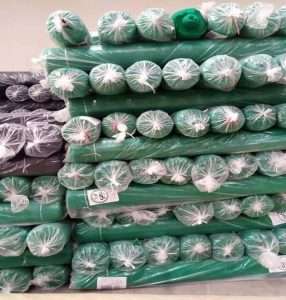 Shade nets in Kenya
Best shade net for farming in Kenya
Choosing the right shade net depends on your crop type, climate, and farming method. Using the wrong shading percentage can slow down growth, reduce flowering, or even cause crop losses.
- 55% → Ideal for vegetables like tomatoes, spinach, and capsicum.
- 75% → Great for nurseries, passion fruits, and strawberries.
- 90% → Best for flowers and delicate crops that need maximum protection.
Pairing shade nets with an expandable hose makes it a smart combo for any farmer looking to save time and water.
Where to buy best shade nets in Nairobi
Buy quality shade nets at Hortitechno.
We offer a wide range of UV-stabilized nets in different shade levels, ideal for various crops and farming conditions. With expert advice and reliable products, Hortitechno is your go-to supplier for durable shade netting in Nairobi and other parts of the country.
Which plants are grown under shade nets?
Different crops require varying levels of shade. Here are some common plants grown under shade nets in Kenya:
- Vegetables: Spinach, kales (sukuma wiki), tomatoes, cabbages
- Fruits: Strawberries, passion fruits, capsicum
- Flowers: Roses, orchids, carnations
- Seedlings & nurseries: Tree seedlings, vegetable nurseries
By matching the right shade level to your crop, you ensure stronger growth, healthier plants, and higher yields.
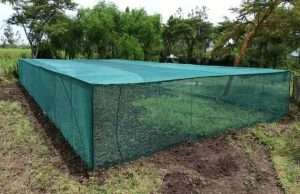 75% Shade house
Types of shade nets in Kenya
- Knitted Shade Nets: Lightweight, durable, and resistant to tearing.
- Woven Shade Nets: Heavier, ideal for windy areas.
- Aluminet Shade Nets: These are highly reflective and not just for heat reduction—they also help in light diffusion.
- Monofilament Shade Nets: These are mainly for greenhouses and insect exclusion, not just general shading.
Advantages of shade nets in Kenya
- Blocks 55 to 90% of harsh UV rays to prevent crop damage.
- Acts as a physical barrier against birds and insects.
- Shade nets in Kenya reduce leaf burn in delicate crops (e.g. lettuce)
- Enables farming year-round, even in extreme weather.
- Creates ideal conditions for seedlings and young plants.
- Farmers can use them as covers on animal shelters to reduce heat stress.
- Used as fencing or balcony covers in urban areas to prevent accumulation of dust
- Boosts yields by 20 to 40% with fewer crop losses.
- Lowers heat stress by 5 to 10°C under the net.
FAQ’s
- Can shade nets help reduce water use on the farm?
Yes. Shade nets can reduce water evaporation by up to 50%, meaning you’ll irrigate less often while keeping your crops healthy. - Can I buy shade nets in smaller sizes instead of full rolls?
Yes. At Hortitechno, farmers can buy shade nets per meter to suit smaller gardens, nurseries, or test plots without the cost of a full roll. - Are shade nets only used in farming?
No. Apart from farming, shade nets are also used in car parking shades, animal shelters, construction sites, and even as dust barriers in urban areas. - Do shade nets protect against pests?
Yes. While not a full substitute for insect nets, higher shade percentages (75% or 90%) can keep away birds and some flying pests, giving crops an extra layer of protection. - Can shade nets be installed on open fields without a greenhouse?
Yes. Shade nets can be mounted on poles in open fields to protect crops from direct sunlight, wind, and excessive heat.
Reviews
There are no reviews yet.